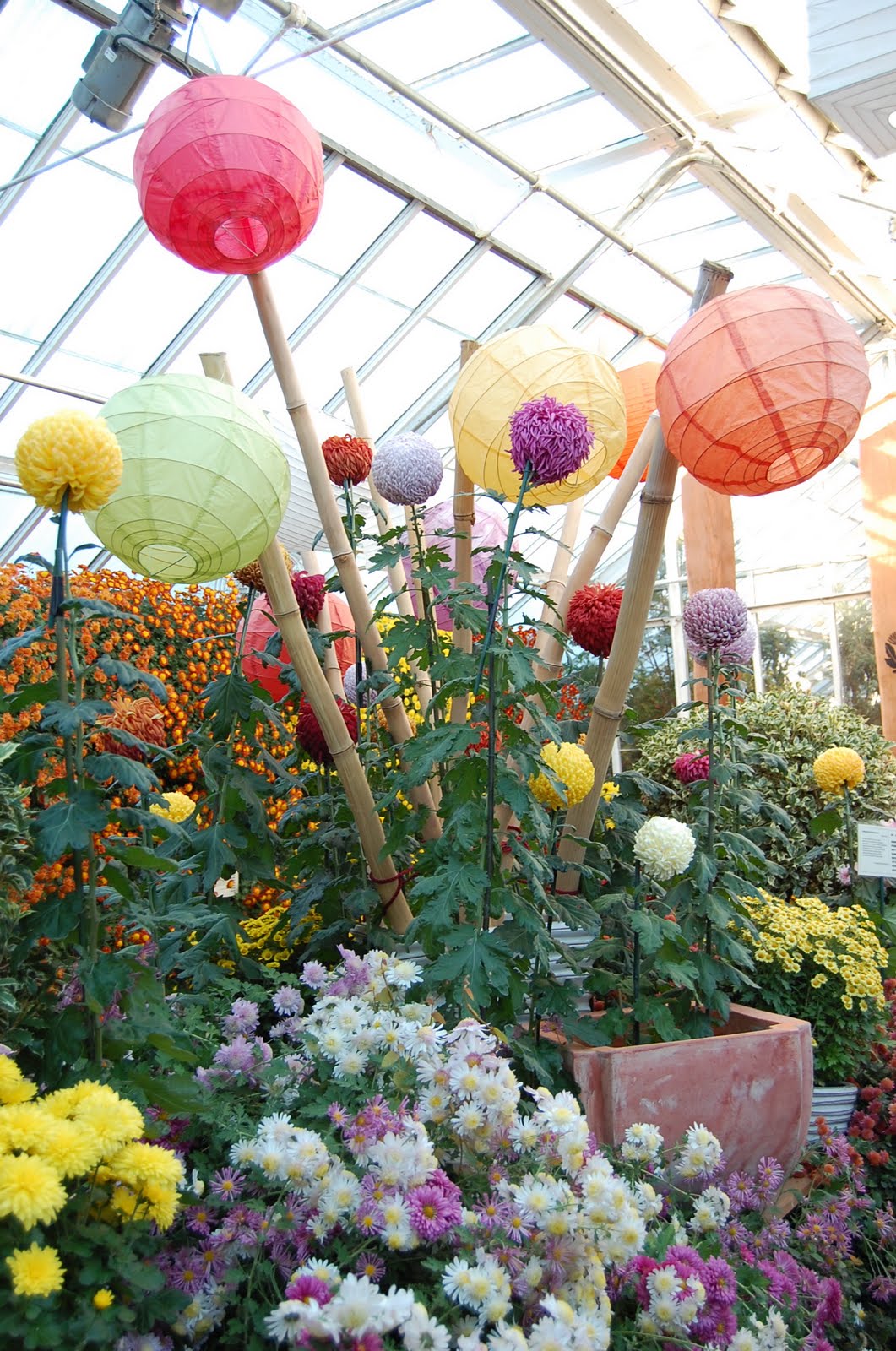
Lee Ufan Dialogue oil on canvas
I recently found out about the artists of MONO-HA, which translated from the Japanese means the “school of things.” Lee Ufan is having his first American exhibit at the Guggenheim and there was a charming article in the New York Times describing his process of choosing rocks for his pieces.
He paints as well, as per example above. Basically, as translated from Toshiaki Minemura's catalogue essay from a previous exhibit, MONO–HA consists of “artistic language from things as they stand, bare and undisguised, letting them appear on the stage of artistic expression, no longer as mere materials, but allowing them the leading part”. This is a fancy way of saying, it is what it is. To be the work of MONO-HA, the piece should only reference itself; no ideology, no metaphor, no politics and no emotive content beyond the viewers response.
I was intrigued; researched and here are a few examples, I responded to.
 Phase Mother Earth by Noburu Sekine
The earth is taken from the hole, packed and shaped accordingly.
 Koji Enokura's cement wall between two trees
 Sumi by Kastsuhiko Narita
Mono-Ha started in the late 60's and some commentators say the Italian movement arte povera was an influence. But like all schools of art (or things).. the inspiration came from many sources, not the least, Zen philosophy. Because of its historical basis, coming from an era when many artists were rejecting industry and “objecthood”, MONO-HA work looked radical ... as did the Earth room by Walter de Maria, made in 1977.

I visited the Earth room several years ago and found it still very effective. The smell, confined in what is a relatively small space, really charges the piece as does the color and textural richness of the soil. My response was to want to jump in. The plexigalss barrier makes it feel like a pool. Walter de Maria is considered to be an Earth Artist but the intention of this piece is very closely aligned with the efforts of MONO-HA. Not surprisingly as I looked more closely at the work of each Japanese practitioner, their personal style comes through. Granted, the material and its relationships to the space and the other elements presented, are primary. But the propensities to certain shapes, colors and modes of presentation run consistent within each artist's work. Their self comes through their choices, quietly perhaps.. but none the less, very firmly present, like the piece of iron placed behind the rock in Ufan's work below.
 Lee Ufan Relatum
This quote, which was included in one of the commentaries sums it up:
“In order to designate reality, Buddhism says sunya, the void; but better still: tathata, as Alan Watts has it, the fact of being this, of being thus, of being so; tat means that in Sanskrit and suggests the gesture of the child pointing his finger at something and saying: that, there it is, lo! but says nothing else…” Page 5, Camera Lucida, Roland Barthes.
That being so. My photo of the robin's eggs, shared on facebook and sent out to friends, elicited a number of remarks as did the LO! coming from myself. What creates that blue? What an incredible miracle of color! My research on that score came up empty. There is no credible explanation. So, besides letting you know that the eggs hatched and all four birds, left awkwardly but successfully, I present you my MONO-HA.:

Susan Richards 2011